Sunday, March 9, 2025
Mario always had an artistic side, as a youngster he helped in his father's bakery in Castel Verde (Cremona) preparing and packaging desserts such as tarts (the famous “crostata”), bundt cakes (Ciambelloni), and puddings. He later found work in Rome at the ACEA, the major provider of electricity in Italy at that time, which brought him closer to his then fiancée’ Bice where he stayed at the home of Bice’s parents, the Pieraccinis.
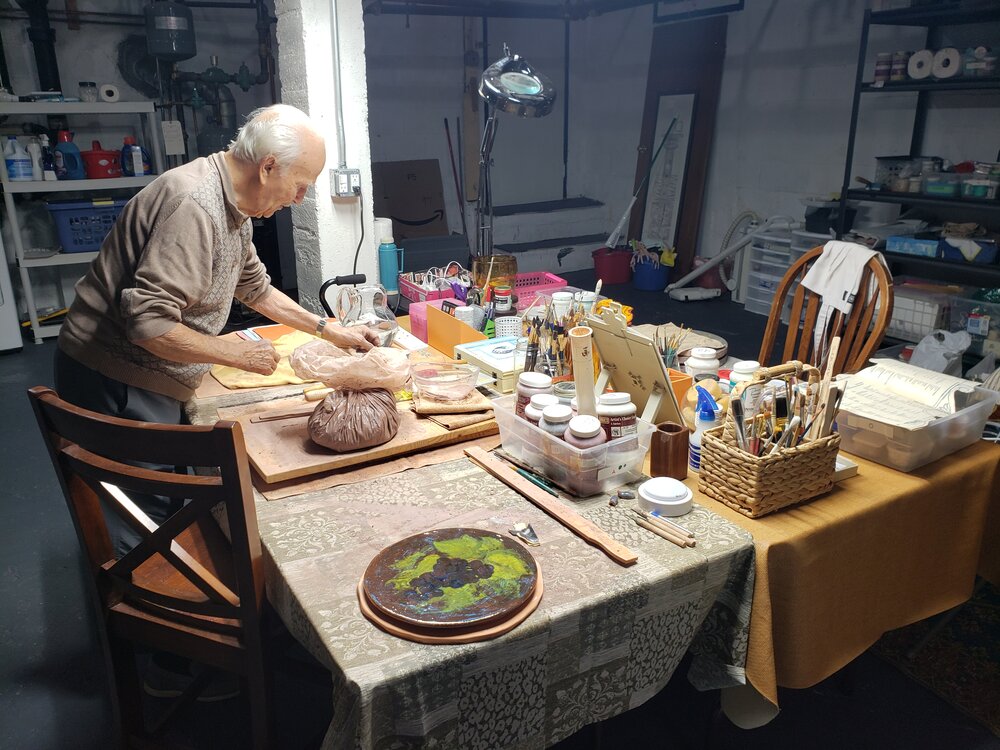
This marked the beginning of a partnership between Mario and Bice, in which Mario created ceramic pieces, and Bice painted them. The process involved two phases: first, an object was modeled by Mario and fired in the kiln at elevated temperatures. The ceramic was then enameled, complete with a sprayed crystalline layer and fired again at a lower temperature with a slow cool to obtain the final product. Their first piece, created around 1955, was a bust-shaped vase of a woman, inspired in part by the renowned early 20th-century artist Amedeo Modigliani, a famous Italian sculptor (1884–1920) they admired.
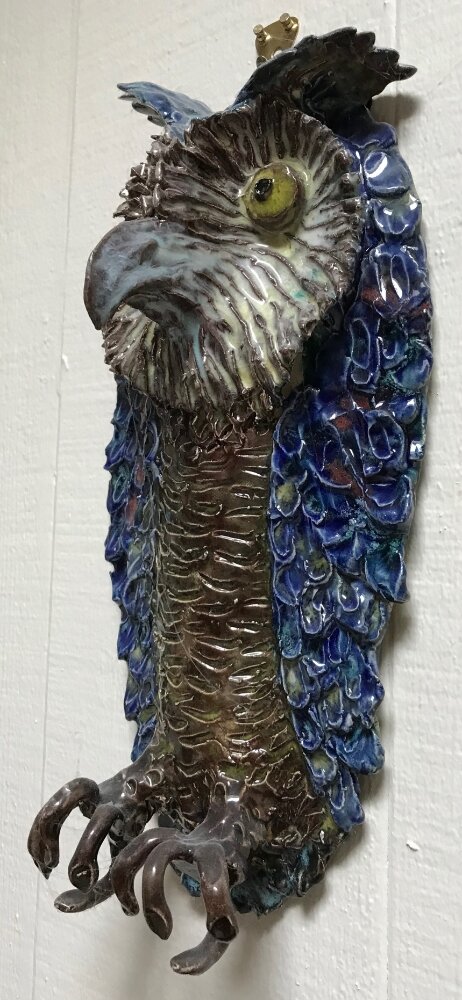
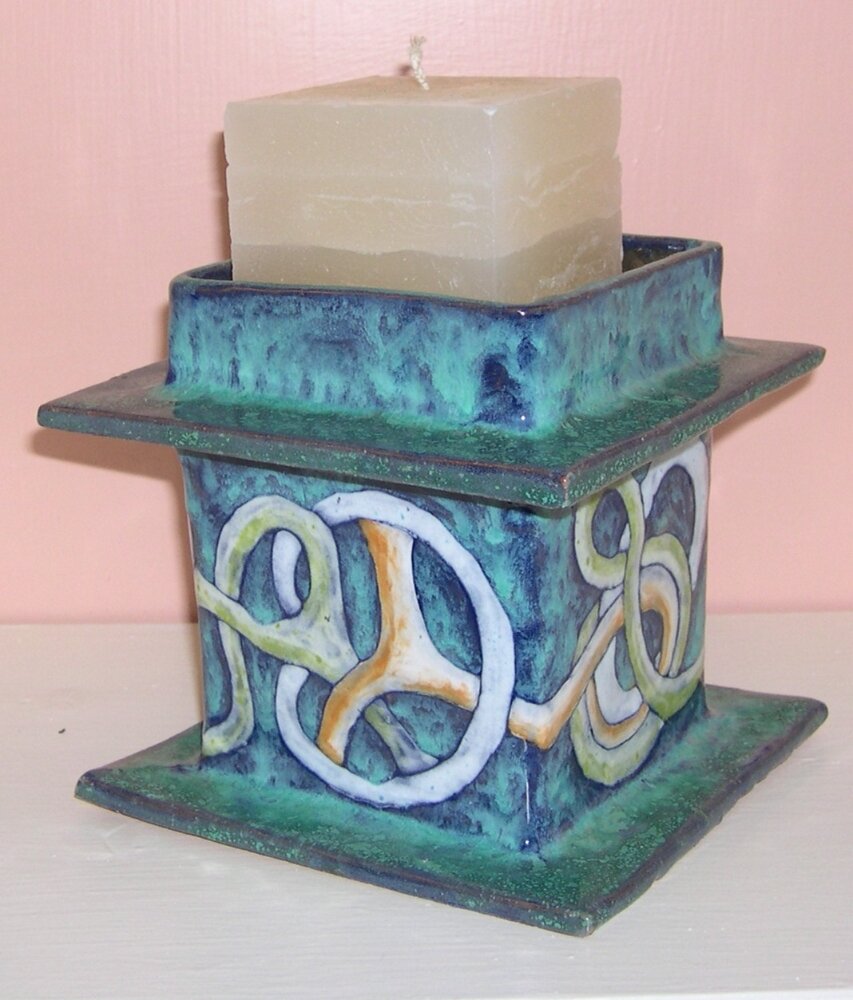
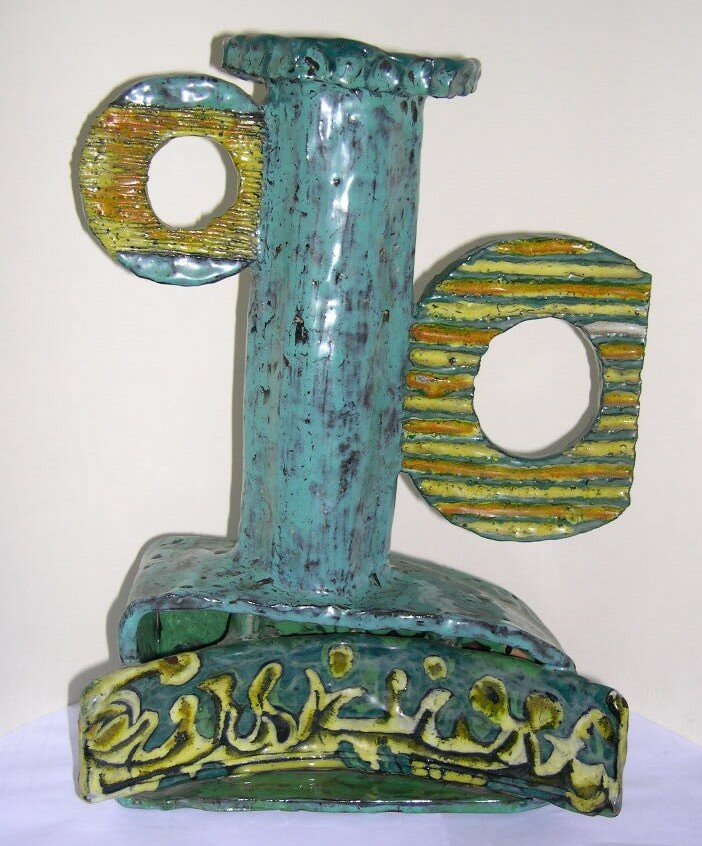
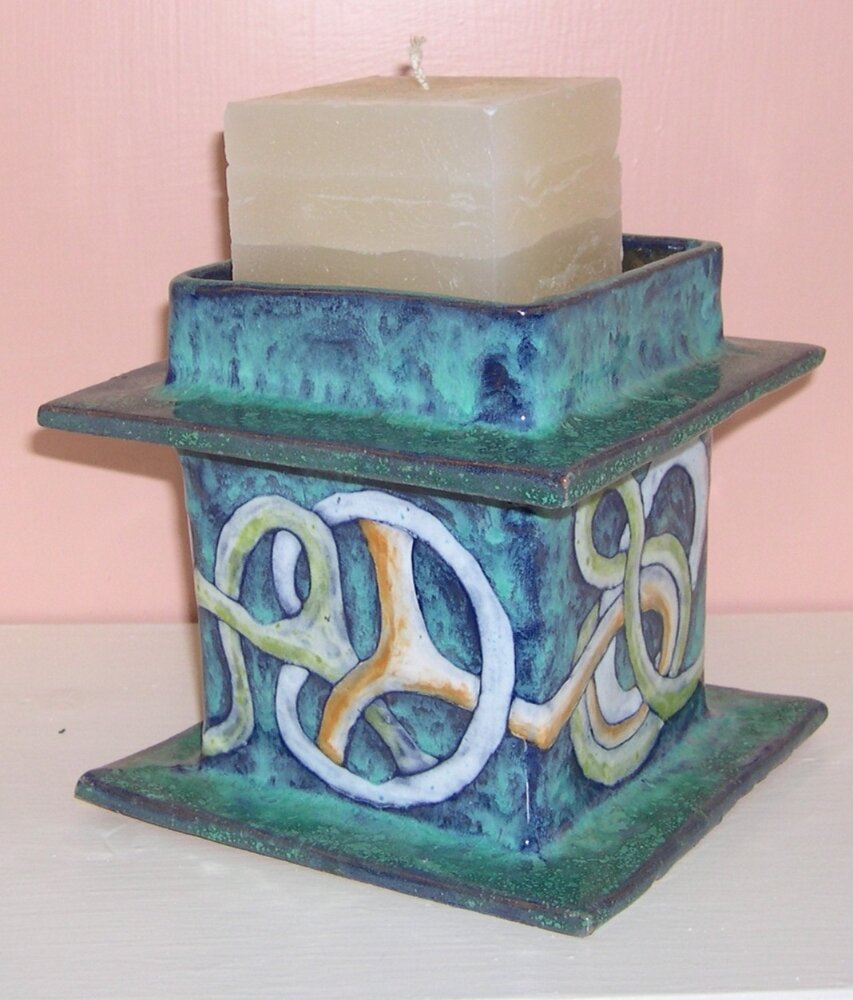
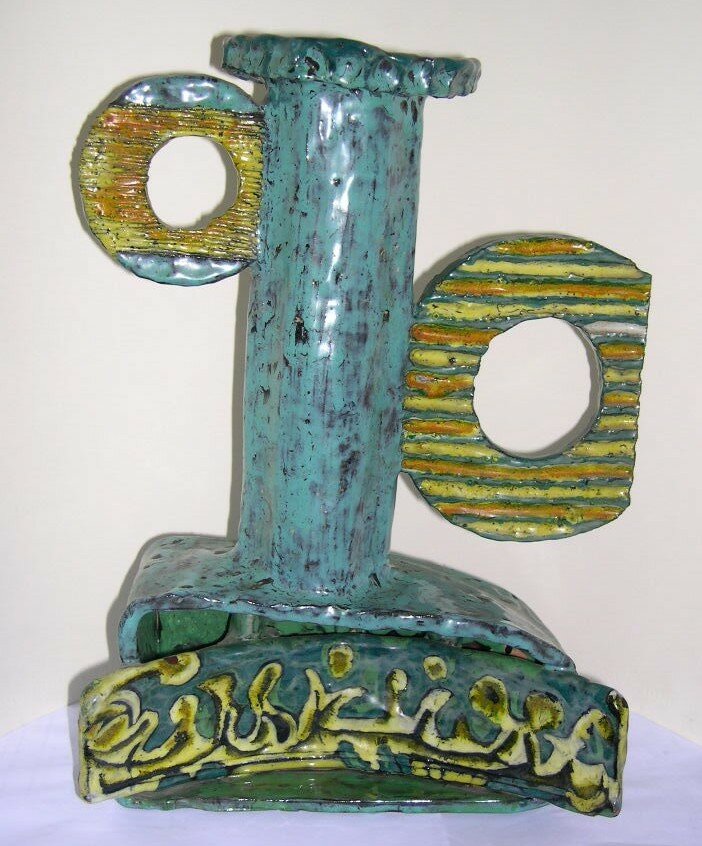
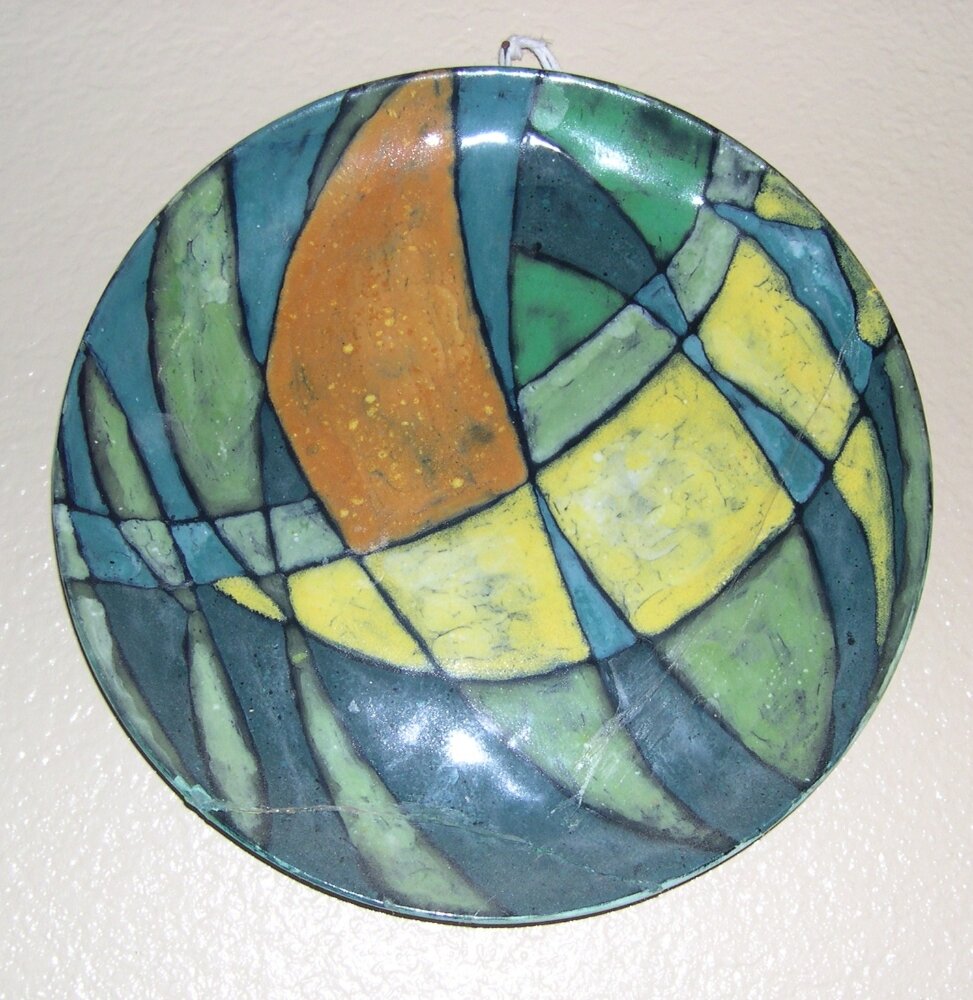
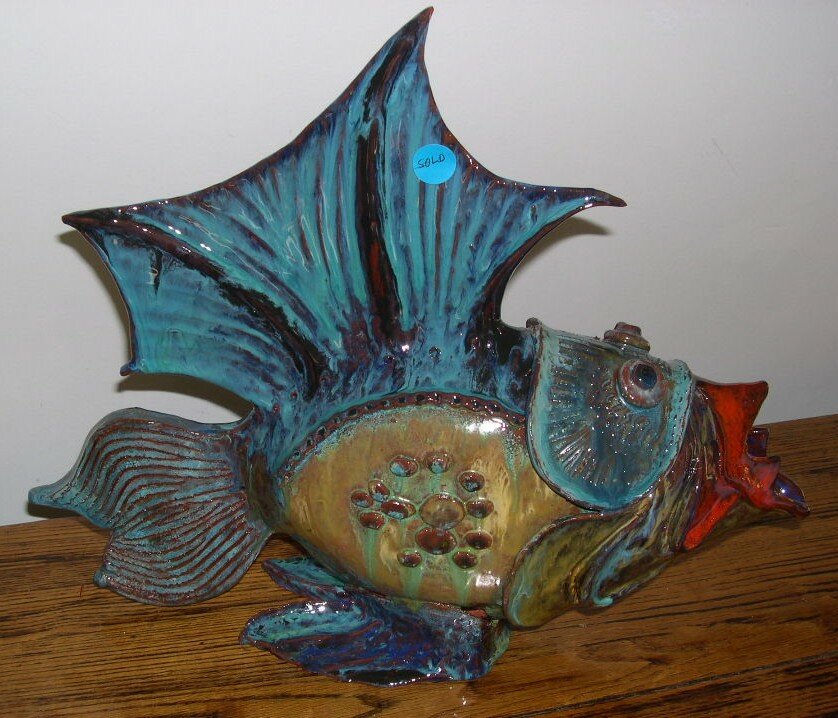
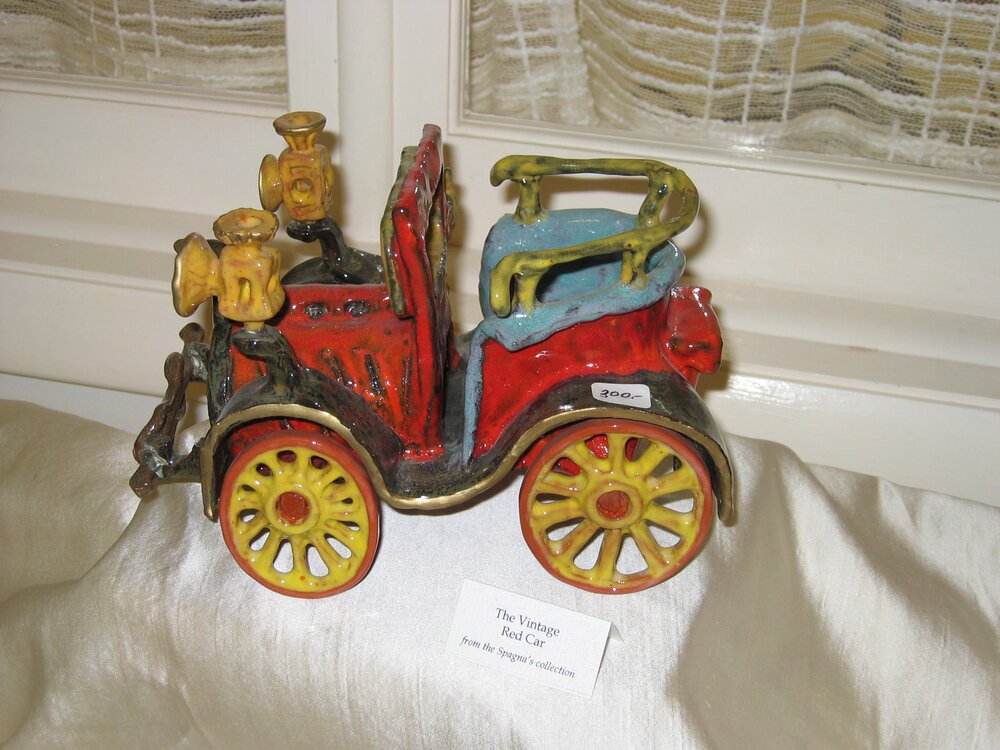
Shortly after, Bice’s Uncle Fulvio introduced Mario to Microlanda a firm headquartered in Naples, where he began working in the purchasing office. After getting married in 1956 and moving to Naples, with their modest savings, Mario and Bice quickly purchased a ceramic kiln. They then began creating many pieces, which were gifted to friends and family and sold in art boutiques in popular tourist destinations such as Capri and Ischia. When possible, these profits were used to enjoy an occasional meal at local “trattorias” with their little son, Fulvio, who was born in 1957. At the beginning, Mario focused on making vases and plates, which then Bice painted. Some of these included faces of youths that resembled the painting style of the great Florentine Renaissance artist Sandro Botticelli (1445-1510). Gradually, these evolved into a wide range of utilitarian as well as decorative objects such as candelabras, chalices, and decorative wall-art such as representations of fishes and owls. A particularly unique piece was a three-dimensional ceramic miniature model of a Ford Model T car. This intricate artistic rendition of this car involved the pre-fabrication of many of the car’s components and accessories and then its assembly using a mixture of clay and water (also known as “Barbotine”).
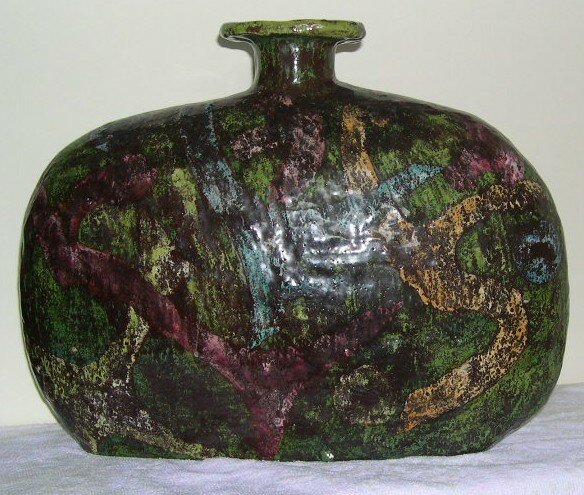
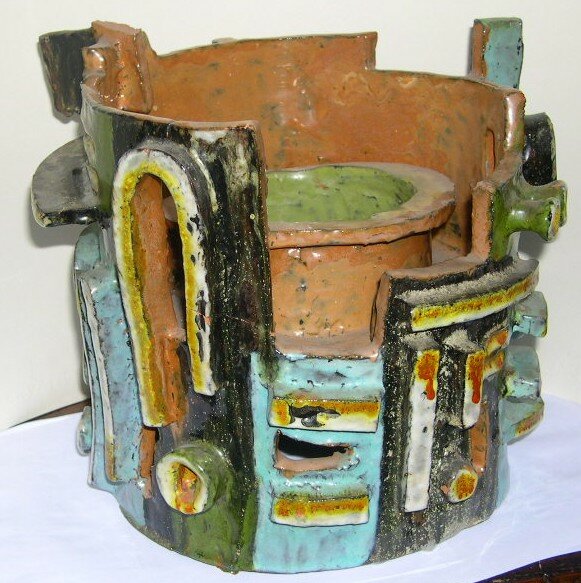
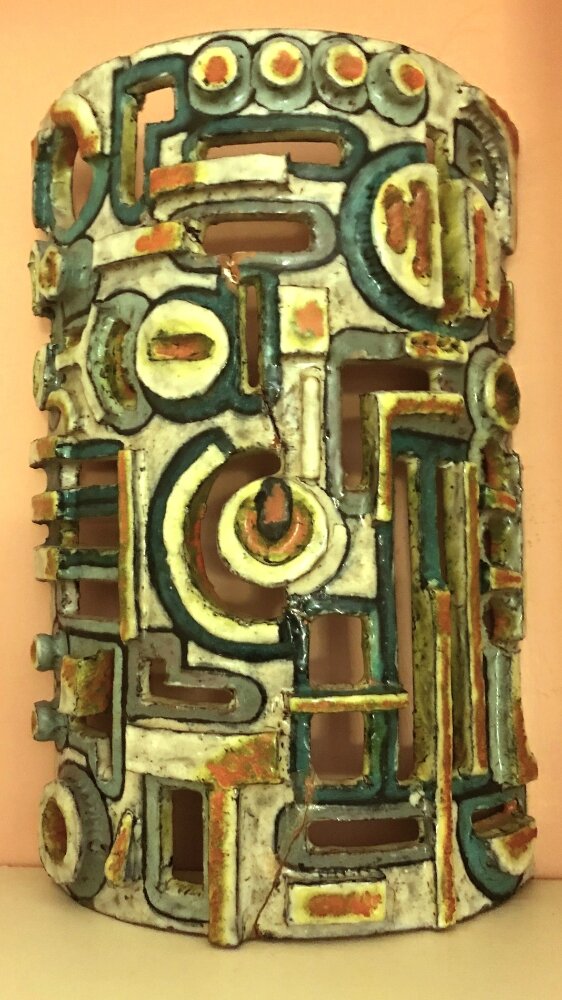
Mario also created modern-accented objects inspired by his dear friend and famous Neapolitan sculptor Antonio Borrelli (1928–2014). Among these works were three decorative “ceramic grilles” designed to cover outdoor lights that were commissioned by his friend’s Antonio Giardina for his house. These were composed of a large cylindrical panel structure that Mario cleverly assembled on a halved surface of a large detergent cardboard box: Mario would often architect crafty ways to model the clay for his creations - he never made use of a turntable! These unique ceramic grilles recall the well-known abstract-geometric methods employed by Borelli and found in his “spatial-structure” sculptures. These modern accents were also incorporated in vases which featured a neck, a face, or a hand. These vases became some of his most appreciated signature pieces. Enthusiastic about Etruscan art, Mario was inspired to creating a series of fighting bulls in various shapes, one of which was simply painted with deep brown shoe polish. Some of their pieces eventually ended up in a museum in Philadelphia (19--?).
His first ceramic piece featuring a bird of prey was an owl made for his brother-in-law, Carl-Alberto. Upon discovering that he had made an error in the shape of the ears, he was not afraid to remake the predatory birds into new pieces with the intent of improving their shape and form to achieve greater realism.
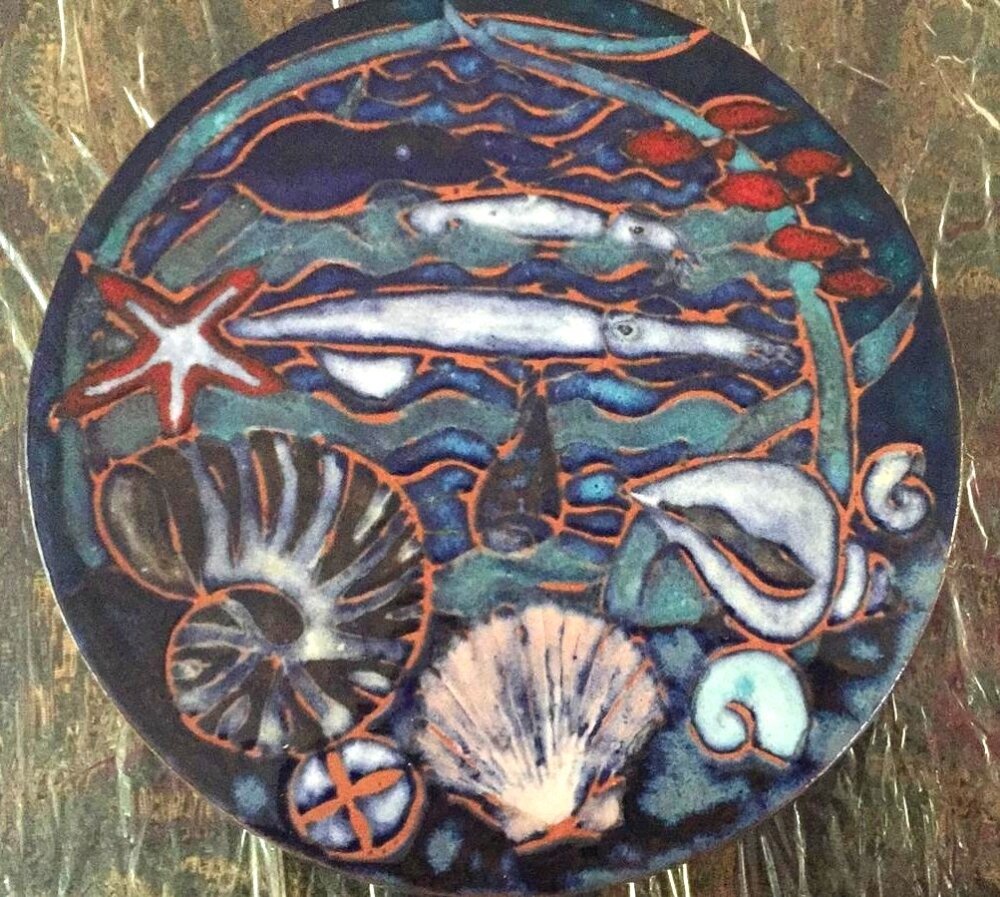
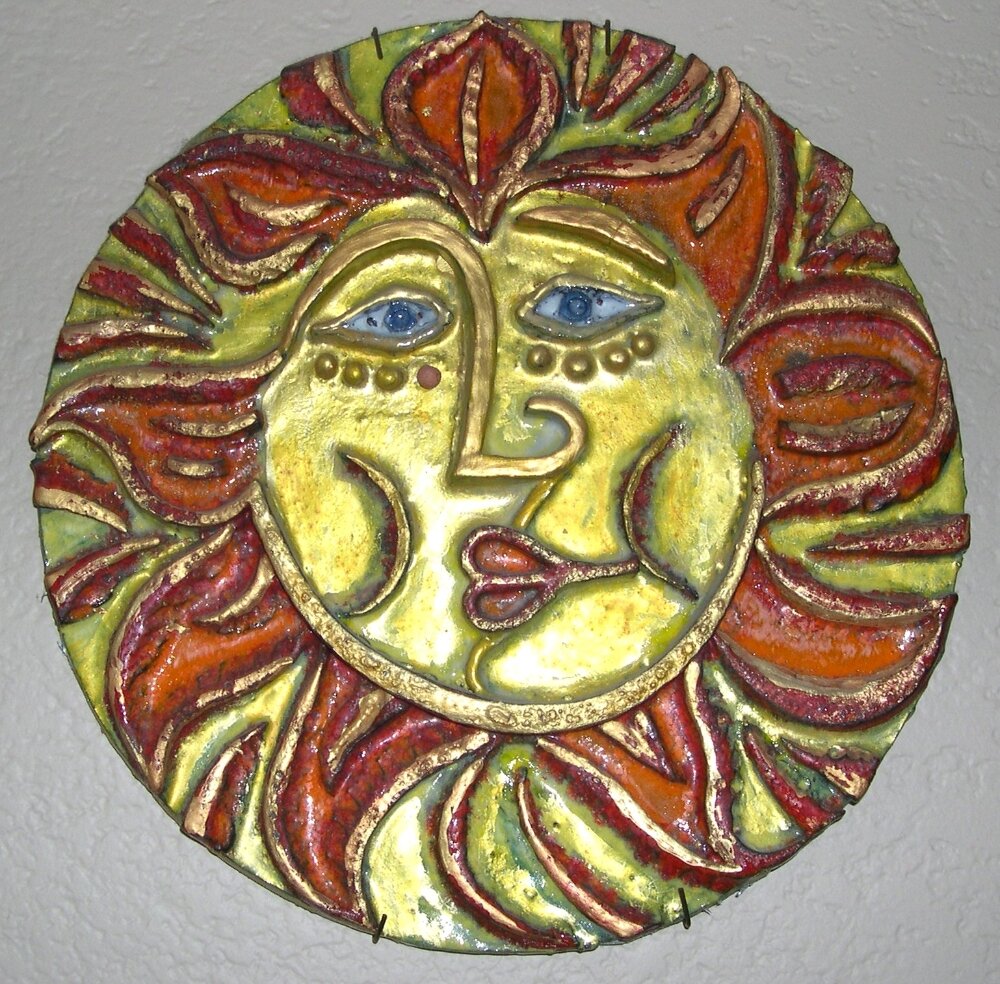
Later, when they lived for ten years in the permanent Mariapolis of Luminosa in Hyde Park, New York, Mario, and Bice continued their artistic work in the ceramic art center. There, they created and sold eclectic art pieces, which were purchased by conference attendees from around the world. These included ornamental items such as mail drop plates featuring Etruscan faces, various plates and ceramic boxes, vases with marine life and abstract forms. Notably, two fish sculptures were sold during an ecumenical gathering of the Rissho Kosei-kai members at Luminosa for $1,000 each. All the profits were donated by Mario and Bice to the movement.
When Mario and Bice later moved to San Diego, Mario devoted himself with Bice to his lifelong passion: ceramics! His creations denote uncommon creativity: his works are timeless and speak to you at many levels. Mario continued working with ceramics, until 2022.